How to Move to Japan from the us : The Starter Guide for Americans
We always hear about the millions of immigrants trying to move to the United States, but what about Americans that have left? There are over 100,000 of us living in Japan right now, and many have decided to make Japan our permanent home.
For them, Japan is a place where life just clicks. They’ve fallen in love with how safe and convenient it is, where you can get anywhere on the train and Shinkansen, and where restaurant portions are a “human sized portion of food.” They stay for the “ordinary life,” a sense of community where “these are our people,” and a society known for its “care for other people.”
But moving here involves more than just passion. There are legal visa processes, costs, and cultural nuances to navigate. Ready to learn how you can make the move? Follow our ultimate step-by-step guide to start your journey.
🟩 Step 1: Understand Japan’s Visa Options for Americans
The first step if you want to move from the United States to Japan legally is to understand what visa options are available to you. Unlike other countries, such as Thailand, Japan makes it quite difficult to stay and live in the country illegally.
Here’s a quick overview of the primary visa categories available to U.S. citizens.
| Visa Type | Duration | Key Requirements | Ideal For |
|---|---|---|---|
| Work Visa | 1-5 years (renewable) | This is the golden ticket. It’s the most stable way to get your foot in the door, get a residence card, and start adulting in Japan. | You’ve landed a real job with a Japanese company that’s willing to sponsor you. |
| Student Visa | Up to 2-4 years | You’re going to language school or uni. You’re a student first, everything else second. | Your school does the heavy lifting with the paperwork. The killer perk? You can work part-time legally to help fund your ramen addiction. |
| Business Manager Visa | 1-5 years (renewable) | 30M JPY capital, business plan, dedicated office, hire 1 full time employees. | You’re an entrepreneur with a solid business plan and cash to invest. |
| Spouse/Dependent Visa | 1-5 years (renewable) | Marriage to Japanese national/permanent resident, or being their child. | Spouses and family members of Japanese residents. |
| Highly Skilled Professional (J-Skip) | 5 years (fast-track to PR) | High annual income (e.g., 20M+ JPY), advanced degree, or 10+ years experience. | Top-tier professionals in specific fields. |
| Digital Nomad Visa | 6 months (non-renewable) | Remote job, 10M+ JPY annual income, private health insurance. | You work remotely for a company outside Japan and just want a 6-month trial run. |
| Designated activities (Long Stay for sightseeing and recreation) | 1 Year Per Application | You need to prove that you have 30 million yen. | It is a visa designed to live in Japan without having to work. |
Key Notes on the Process:
Processing Time: The big bottleneck is the Certificate of Eligibility (CoE), which is processed in Japan. This can take 1 to 3 months. Once you have it, the visa stamp at your local embassy is the quick part.
Approval Rates: If your paperwork is perfect and you genuinely qualify, your chances are good especially for Work and Spouse visas. The Business Manager visa gets more scrutiny. They really check if your business idea makes sense.
Official Source: This is the most important step. Always double-check everything on the official Immigration Services Agency of Japan website. Rules can change, and you don’t want to get caught out.
💡 My final take: For most Americans asking “how can I move to Japan,” the answer is simple: find a job and get that work visa. It’s the most straightforward path to unlocking your life here. Everything else is a temporary fix or a niche option
🟩 Step 2: How Much Does It Cost to Move to Japan ? A Realistic Budget for Americans
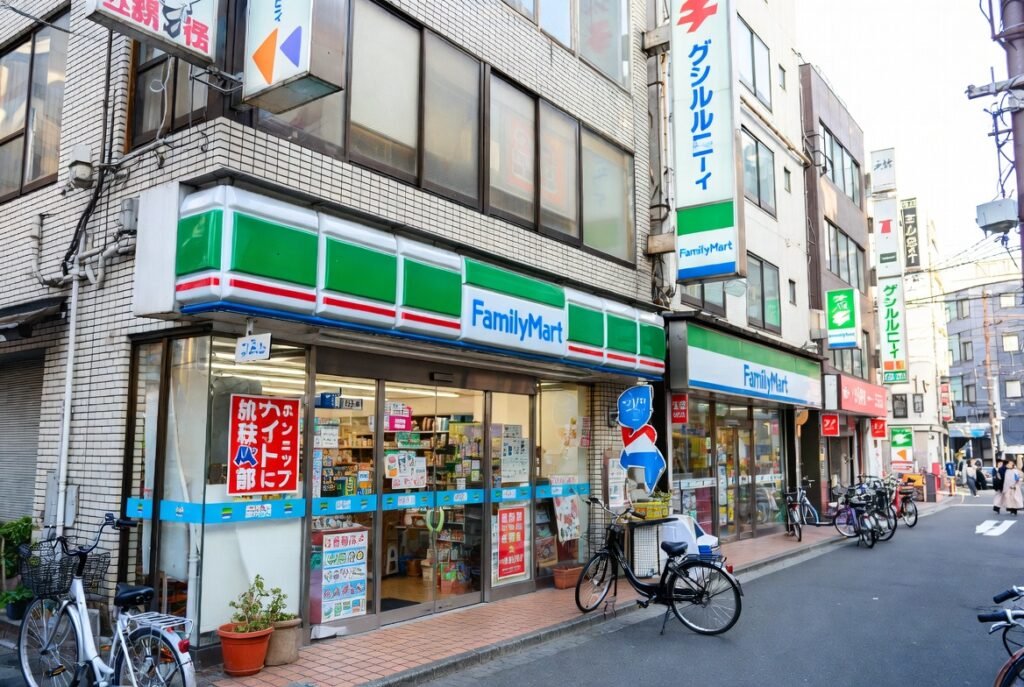
The next step, especially if you want to make this decision and have some small savings that allow you to get by for a couple of months until you stabilize, is to calculate how much money it will cost you to live in Japan during the first few months.
Contrary to what many people think, Japan is not an especially expensive country maybe the only exception is housing but if you go with dollars, given the yen’s exchange rate, your savings will go quite far.
Where will you spend the most money?
Accommodation: The truth is that rental costs vary a lot depending on the city. I’ll focus this article on Tokyo, since it’s generally where many people from the United States want to move (in less popular cities that aren’t Osaka or Kyoto, you can find very, very cheap prices for both renting and buying, and even large houses).
In the next table, you have what you can expect depending on the neighborhood where you want to rent.
| Area & Neighborhood | Typical Housing Type | Approx. Size | Rooms | Average Monthly Price (USD) |
|---|---|---|---|---|
| Minato (Azabu, Roppongi) | Modern apartment in residential tower | 40-90 m² | 1-2 | $3,000 – $8,200+ |
| Shibuya | Compact, well-located apartment | 25-40 m² | 1 | $1,150 – $1,900 |
| Shinjuku | Standard apartment near station | 30-50 m² | 1-2 | $1,050 – $1,700 |
| Setagaya | Quiet family-friendly apartment | 40-60 m² | 2 | $960 – $1,550 |
| Saitama (e.g., Sayama, Tokorozawa) | Spacious suburban apartment or standalone house | 70-100 m² | 3-4 | $500 – $900 |
| Chiba (e.g., Funabashi, Kashiwa) | Large apartment or small house | 60-90 m² | 3-4 | $650 – $950 |
Monthly Utilities Bill
Expect to pay ¥15,000-20,000 for basic utilities. Electricity spikes in summer when “running the A/C 24×7”
A couple that i meet shared their precise costs:
• Gas: ¥3,000 monthly
• Water: ¥4,000 maximum
• Electricity: ¥2,000-3,000 (mild months) to ¥8,000 (peak seasons)
Food & Groceries Budget
Your food costs depend entirely on your lifestyle:
• Home cooks: ¥60,000 monthly for two
• High-protein diet: ¥60,000 monthly for one person
• Balanced approach: ¥24,000 for groceries + ¥27,000 for dining out
Pro Tip: Buy discounted bento boxes at supermarkets after 2 PM (lunch) and 6-9 PM (dinner). “The later it is, the bigger the discount.” You can find more info about how much does food cost in japan and the 3 most affordable restaurants
Transportation Costs
Tokyo’s train system is “unmatched” and affordable:
• Average monthly train pass: ¥5,000-7,000
• Commuter pass (best value): ¥30,000 every three months
• Walking: Free and common
Additional Monthly Expenses
• Internet: ¥5,000 for fiber connection
• Mobile: ¥3,000 monthly (some providers offer free first year)
• Gym: ¥8,000 for Anytime Fitness
• Entertainment: ¥50,000 monthly for weekends and dining out
Total Monthly Budget
When calculating how much does it cost to move to Japan, remember that Tokyo offers world-city living at ¥230,000-315,000 ( $1500 – $2100 USD) monthly total. It’s cheaper than London… cheaper than New York.
Your budget depends on lifestyle choices, but quality of life remains high across all price ranges.
🟩 Step 3 – Study Basic Japanese Before of Move to Japan
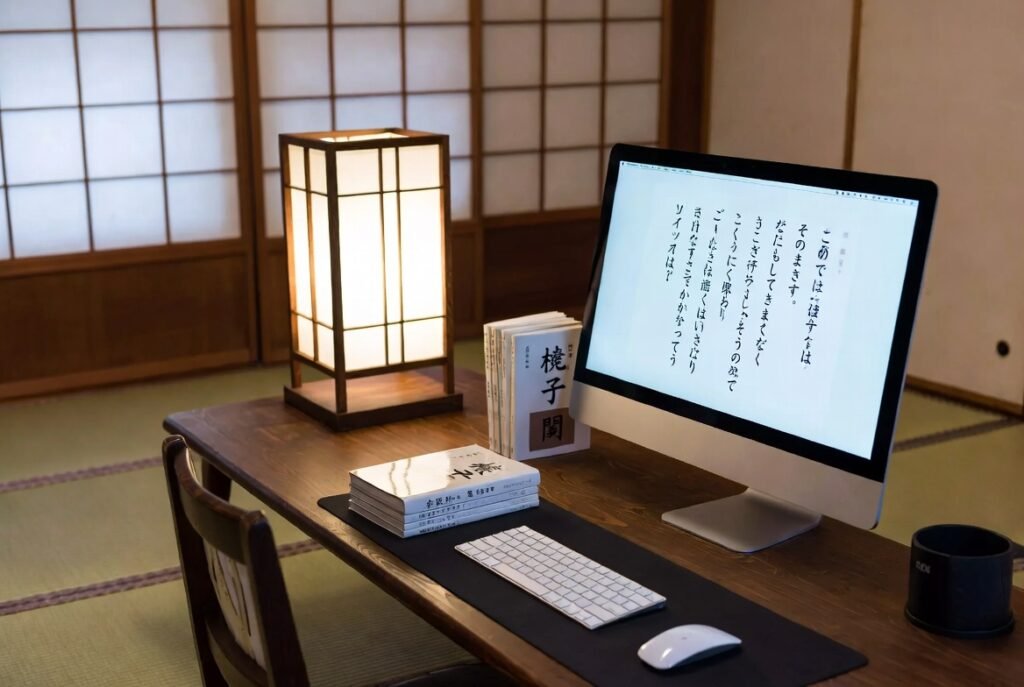
So, you’re planning the big move to Japan. You’ve spent hours deep in Reddit threads and expat blogs, and you keep seeing the same advice: “You don’t need Japanese to live in Tokyo!”
Here’s my take, after digesting thousands of these stories: That’s only true if you’re okay with just surviving. If you want to actually live, connect with people, and not feel lost every single day, then learning even basic Japanese is a total game-changer. It’s the difference between being a permanent tourist and someone who can actually build a home there.
Think about it: How would you feel landing in a new city in the US, unable to read a single street sign, menu, or utility bill? Now, multiply that by ten. That’s Japan without the language.
Why You’ll Thank Yourself for Learning the Basics
Spending a little time on Japanese before you get on the plane pays off instantly. Here’s what you gain:
- People Open Up to You.
- I’ve read so many stories where a simple “otsukaresama desu” (thanks for your hard work) to a coworker completely changed the dynamic. That small effort shows respect and instantly makes you more approachable.
- You Get Your Freedom Back.
- Knowing just the basic alphabets (Hiragana & Katakana) means you can actually read train maps, restaurant menus, and supermarket labels. You’re no longer trapped in tourist zones or dependent on picture menus.
- It Saves You Time & Money.
- Especially with housing! Want a better, cheaper apartment in a more local neighborhood? Many of the best deals are with agents who don’t speak English. A little Japanese massively expands your options.
- It Fights Off Culture Shock.
- Understanding even bits and pieces of what’s happening around you (announcements, casual chats) makes the world feel less overwhelming and confusing. It gives you a sense of control.
The Risks of Showing Up with Zero Japanese
Relying only on English is a risky strategy. Here’s the downside everyone talks about online:
- You Get Stuck in the “Expat Bubble.”
- It’s a real trap. You end up only hanging out with other foreigners, going to foreigner bars, and never truly experiencing Japan. As one blogger put it, you become a “permanent tourist.”
- You’re More Vulnerable.
- From rental contracts to phone plans, not understanding what you’re signing can lead to hidden fees and bad deals. It’s hard to advocate for yourself when you can’t ask basic questions.
- Simple Tasks Become a Major Headache.
- Imagine a 3-hour ordeal for a simple bank errand or a doctor’s visit because of the language barrier. Daily life becomes inefficient and frustrating fast.
The Truth About English in Tokyo
Let’s clear this up: The “You can get by with English in Tokyo” line is a half-truth.
- Yes, in the tourist spots like Shibuya and Shinjuku, you’ll find English signs and some English-speaking staff. It feels easy, like you’re in a Japanese-themed Disneyland.
- But real life happens outside that bubble. Try going to a local ward office, a neighborhood doctor, or a hardware store. Suddenly, English disappears. Real life in Japan runs on Japanese.
My Humble Advice: Don’t Learn Japanese, Learn This.
You don’t need fluency. You just need to be “functionally indestructible.” Focus on these three things before you go:
- Hiragana & Katakana: These are the two basic alphabets (only ~96 characters total). You can learn them in a few weeks. This alone is the biggest power-up you can get. You’ll be able to read anything!
- Survival Phrases: Go beyond “hello” and “thank you.” Learn:
- “Could you repeat that?”
- “I don’t understand.”
- “Where is the ___?”
- “How much is this?”
- “I need a doctor.”
- Numbers: Be able to handle money, understand prices, and say your phone number without panicking.
FAQ
Below a list of questions frequently asked
How to move to Japan from the us ?
1 – Get a visa
2 – Save enough money for 6–12 months, even if you’re going with a job
3 – Learn survival-level Japanese to reduce culture shock
4 – Book your plane ticket and start a new adventure
How much would does it cost to move to Japan ?
Living in Japan can cost you an average of $1,500 to $2,000 per month in Tokyo (or the surrounding area), plus airfare. It is recommended that you have at least $6,000 to $12,000 in savings before you go.
Is Japan Paying People To Move There ?
Looking to leave the hustle of Tokyo? Japan will pay you to relocate. Through its Regional Revitalization Program, the government offers up to 1 million yen per child for families and 600,000 yen for singles who move to rural areas. The catch? You must commit to staying for at least five years and have a local job or business.
How To Move to Japan Permanently
Based on my experience, all the visas listed here are temporary and renewable. But if you’re aiming for permanent residency, the real paths are few:
- The standard way: Live there for 10 years on temporary visas.
- Highly Skilled Visa : This visa is a point-based system also offers an accelerated path. Depending on your total score, you could apply for permanent residency after either three years or one year
- The fast track: The new “Highly Skilled Professional” J-skip visa can get you permanent residency in just 1 year if you qualify.

About The Author
